Paid social creative that works for maritime audiences
What actually engages fleet directors, technical superintendents and naval architects on LinkedIn and Meta, and what to stop putting in front of them.

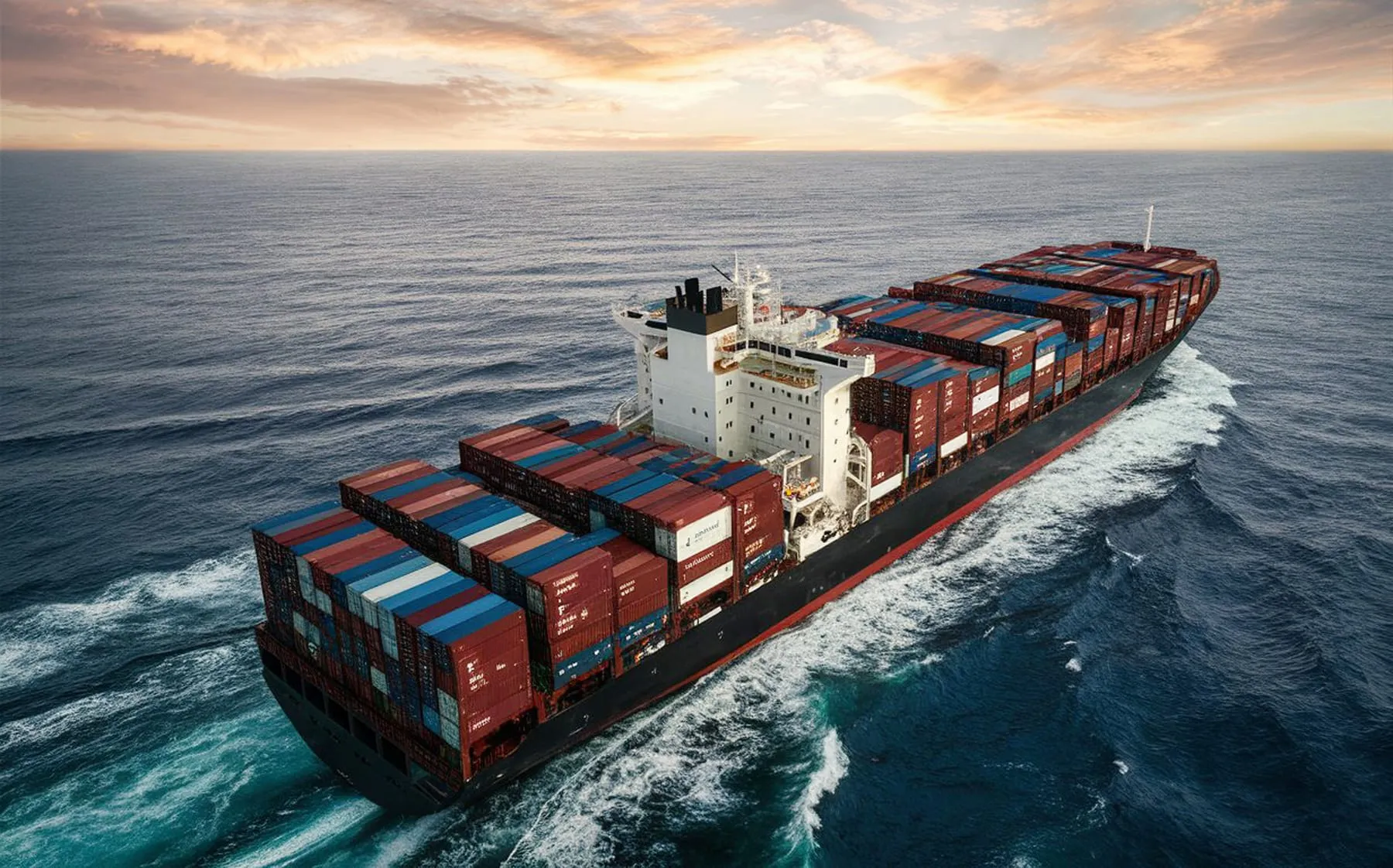
Most maritime paid-social creative looks the same. A drone shot of a container ship at sunset, a generic value-proposition headline (“Your trusted partner in maritime services”), a logo in the corner, a vague call to action. The audience scrolls past it because it could be from any of forty maritime brands and it says nothing they do not already know.
Maritime decision-makers are not consumers. They are technical professionals reading the feed in five-minute breaks between operational decisions. They have specific information needs and a low tolerance for content that does not advance them. Creative that respects this outperforms creative that performs respectability by an order of magnitude.
What actually works on LinkedIn
Five formats consistently outperform generic brand creative.
1. Specific data, no logos
A LinkedIn ad that shows a single chart with a sharp insight (“Container vessels sailing into Northern European ports in 2026 spend an average of 14% longer at berth than they did in 2022. Here is why that matters for terminal operators…”) will outperform a beautifully designed brand piece in this audience by a factor of three to five on engagement rate.
The data point earns the click. The chart establishes credibility. The brand presence is implicit in the byline and the linked content.
2. Named experts speaking to camera
A 60-second video of your senior technical director explaining a regulatory change, filmed plainly without heavy production, performs better than a polished brand video with stock footage. The audience respects substance over polish.
Production tips that matter: clean audio, decent lighting, the speaker visibly comfortable with the topic. Production tips that do not matter: drone shots, animated lower-thirds, montage cuts.
3. Case-study insights, not case-study summaries
A standard case-study post says “We helped X achieve Y.” It performs poorly because it tells a story about you, not about something the reader can use.
A better format: “Three things that surprised us during a 28-day scrubber retrofit on a 15-year-old VLCC.” Now the post is a piece of operational learning that happens to demonstrate your capability. The engagement rate runs three to four times higher.
4. Strong opinion, anchored by evidence
Maritime professionals respond to firm opinions backed by experience. A post that says “Most ballast water treatment systems specified in 2019 have under-performed on actual vessels operating in tropical waters. Here is what we are seeing.” will outperform a neutral “explainer” post on the same topic.
Caveat: the opinion has to be defensible. Empty contrarianism reads as performance. Substantive contrarianism reads as expertise.
5. Sector commentary in real time
Comment on news the day it happens, with your view of what it means. A post-Capesize-spike commentary on what changes for ship managers, published within 48 hours of the rate movement, will reach engagement rates that a planned campaign cannot match. The audience is in the news cycle; meet them there.
What does not work in maritime paid social
- Stock photography of ships. The audience has seen all of these images before, on everyone else’s marketing.
- Quote cards from team members saying generic things about “our values”. Useful for internal culture, useless for paid distribution.
- Carousel posts that work as a brochure. Ten slides of capability statements perform poorly. One slide with a sharp insight performs well.
- Video starting with the brand logo and a swooping intro. The first three seconds of a paid social video are everything. Open on the substantive idea, not the brand.
- Calls to action that ask for a meeting on first impression. Maritime audiences do not book meetings from cold paid social. Ask for the next, smaller commitment: read the article, watch the demo, download the report.
Format choices on Meta
Meta works for some maritime audiences as a frequency channel, but the creative needs to look different than on LinkedIn. The audience is in a more leisurely mode, scrolling more quickly, and the content needs to be more visually grabbing in the first second.
Useful Meta formats for maritime:
- Short-form video, vertical, with strong opening visuals and on-screen captions (most viewers watch with sound off)
- Carousel ads showcasing specific case-study outcomes with photography from your operations
- Image ads with one strong visual idea and minimal text overlay
Avoid using LinkedIn-style data-dense creative on Meta; the audience mode is different and the dwell time will not support it.
A note on imagery
If you have any in-house photography or video from your actual operations (yards, vessels, engine rooms, deck operations, retrofit work), use it before you reach for stock. Real footage of real maritime work is rarer in advertising than it should be, and it converts better than stock. The cost of organising one good filming day per quarter pays back across two years of creative.
Respect the audience
Maritime paid social is not the place for generic brand-building creative that could belong to any of your competitors. The audience is small, technically literate and short on time. Creative that respects those constraints will be the most cost-efficient awareness channel in the account.
Frequently asked questions
How often should paid-social creative be refreshed for maritime audiences?
Should we run influencer-led creative on maritime LinkedIn?
What length of video works best on LinkedIn for maritime?
More on Paid Media
-

Paid Media
Account-based marketing for maritime: list construction and reporting
How to build a defensible ABM target list for maritime sales and how to report against it without flattering numbers.
 By Nathan Yendle
 -
Paid Media
Bid strategies for low-volume, high-value maritime queries
Most automated bidding strategies struggle on the low-volume keyword sets that dominate maritime accounts. Here is what works instead.
By Nathan Yendle -

Paid Media
Brand search bidding for maritime: when to defend, when to skip
Bidding on your own brand keywords is sometimes essential and sometimes a waste. Here is how to tell which side of the line a maritime business sits on.
By Nathan Yendle