Guide / Web Design
Web design for maritime companies: the definitive guide
Maritime websites get judged in seconds by some of the most cautious B2B buyers on earth. This guide covers what we've learned about building sites that earn their attention.
Most maritime company websites still look like they were built around a brochure rather than a buyer journey. They lead with a fleet of stock photos, list services in undifferentiated bullet points, and bury the credibility signals (class society approvals, port authority references, vessel data, technical certifications) behind generic “About” pages.
That gap matters because the buyers you want, fleet directors at tier-one operators, technical superintendents at ship managers, port commercial leads, marine equipment procurement, are unusually careful. They cross-reference what your site says against your filings at Companies House, your LinkedIn presence, the data on your case studies and what your competitors are claiming. A website that breezes over technical depth signals a vendor who’ll do the same in delivery.
What good looks like
A maritime company website that’s working hard does five things at once.
Structural clarity. Visitors should reach any of your three or four most important services in a single click. Sub-categorisation should follow the way buyers segment your market (by vessel type, by port region, by service tier) rather than by your internal org chart.
Technical credibility on every page. Hero copy that names the actual problem your buyer faces, not “we deliver excellence at sea”. Specifications, certifications and integrations stated in the body, not hidden in a downloadable PDF.
Genuinely fast. Mobile load times under two seconds, even on satellite connections from ship-side. Most maritime sites we audit take eight to twelve seconds because the homepage shipped with a 4MB hero image.
Wired into your CRM. Every form on the site, contact, RFP, brochure download, event signup, lands as a structured CRM record with first-touch attribution. If your sales team has to copy-paste from email to HubSpot, you’ve lost the visitors who quietly closed the tab before submitting.
Designed to be edited. A componentised CMS where the marketing team can publish a new case study, regulatory update or industry-event landing page without engineering tickets.
Where most maritime sites lose visitors
Three failure modes account for the bulk of bounces and form abandonment we see:
- Service pages that are 70% generic. Three paragraphs about “tailored solutions for the maritime sector” with no proof points specific to vessel type, region or operational scale.
- Case studies that aren’t case studies. A logo strip that says “we work with these owners” with no narrative, no numbers, no named contact.
- Contact forms that ask for too much, too early. The 14-field form that wants vessel count, fleet age, current providers and budget before the prospect has decided you’re worth a conversation.
Fix those three things and your site moves measurably before you’ve even started on SEO or paid.
Where to start
If you’re auditing your own site, walk it the way a fleet director would: start at the homepage on a phone tethered to a slow connection, click through to your most important service page, then try to start a contact-form submission. If any step takes more than a few seconds or asks for information you wouldn’t volunteer to a stranger, that’s the first thing to fix.
We work on this kind of programme with maritime companies regularly. If you’d like an honest read on where your site stands, get in touch.
Frequently asked questions
Should a maritime company use WordPress, headless or a custom build?
How long does a maritime website project usually take?
What metrics matter for a maritime website?
Last updated 3 May 2026
More to read
All Web Design posts
-

Web Design
Why most maritime websites fail the four-second credibility test
Why most maritime websites fail the four-second credibility test
Four seconds is roughly how long a fleet director gives your homepage before deciding you're worth a second look. Here's what most maritime sites get wrong.
 By Paul Clapp
 -

Web Design
Choosing between WordPress, Webflow and headless for a ship management company
Choosing between WordPress, Webflow and headless for a ship management company
An honest comparison of WordPress, Webflow and headless stacks for ship managers, with the trade-offs that actually matter for maritime corporate sites.
By Paul Clapp -

Web Design
Auditing a maritime website before a redesign: a 12-point checklist
Auditing a maritime website before a redesign: a 12-point checklist
What to check on your current maritime website before commissioning a redesign, so the new site fixes the right problems instead of inheriting them.
By Paul Clapp -

Web Design
How to brief a maritime web design agency and not waste six months
How to brief a maritime web design agency and not waste six months
A vague brief produces a generic site. Here's how to brief a maritime web design agency so you get a build that's commercially useful and on time.
By Paul Clapp -

Web Design
Designing maritime case study pages that actually convert
Designing maritime case study pages that actually convert
Most maritime case studies are capability decks dressed as case studies. Here's how to design pages that move buyers from interest to enquiry.
By Paul Clapp -
Web Design
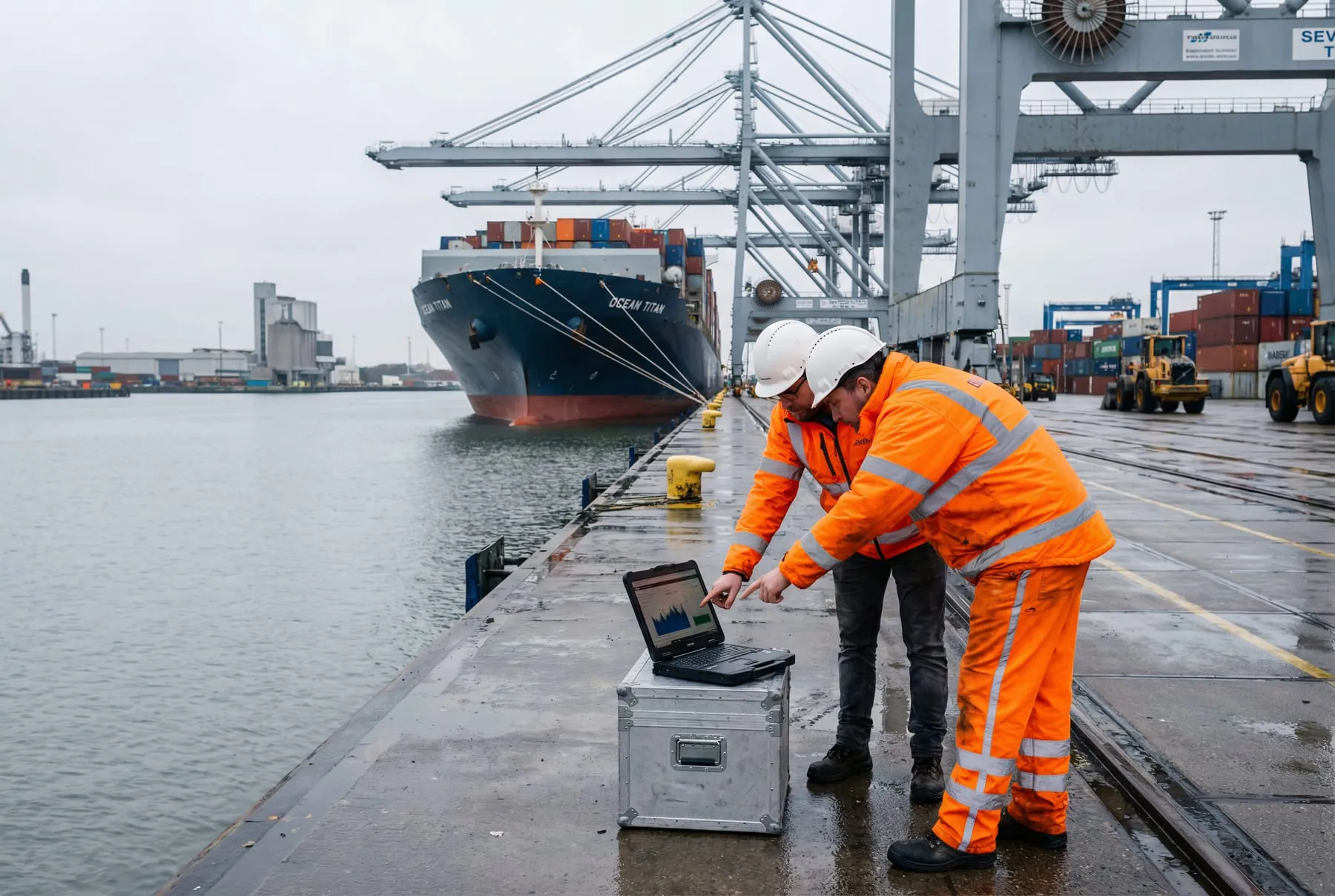
Content modelling for marine equipment product catalogues
Content modelling for marine equipment product catalogues
Marine equipment catalogues fail when treated as marketing pages. Modelling them as structured product data unlocks search, comparison and integration.
By Paul Clapp -

Web Design
Multi-language and multi-region websites for global maritime brands
Multi-language and multi-region websites for global maritime brands
Multilingual maritime sites get built three different ways and only one of them holds up at scale. Here's how to choose, structure and maintain it.
By Paul Clapp -
Web Design
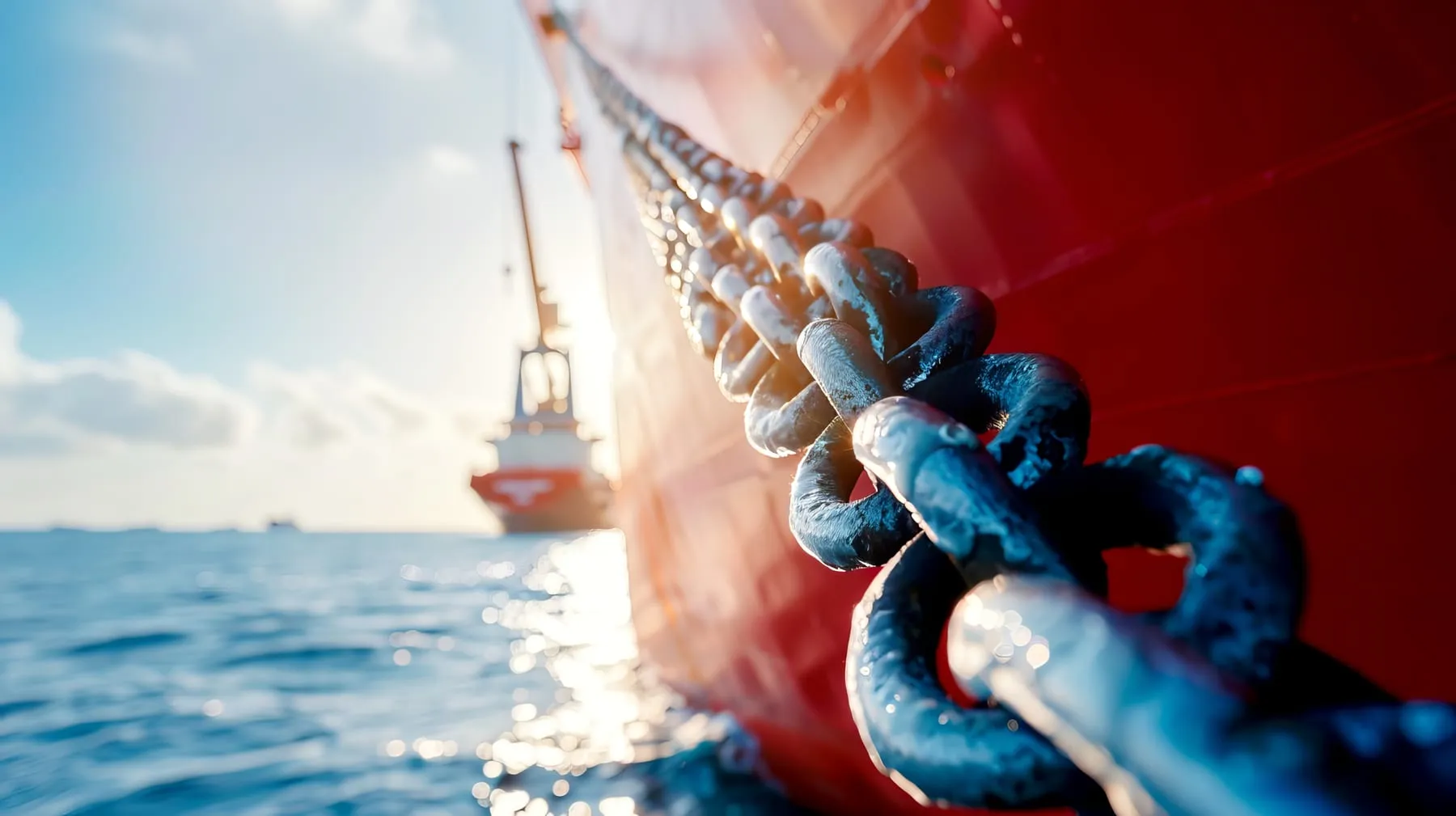
WordPress security hardening for maritime sites with public RFP forms
WordPress security hardening for maritime sites with public RFP forms
A maritime corporate WordPress site with public RFP and quote forms is a real attack surface. Here's the security baseline that should be non-negotiable.
By Paul Clapp -
Web Design
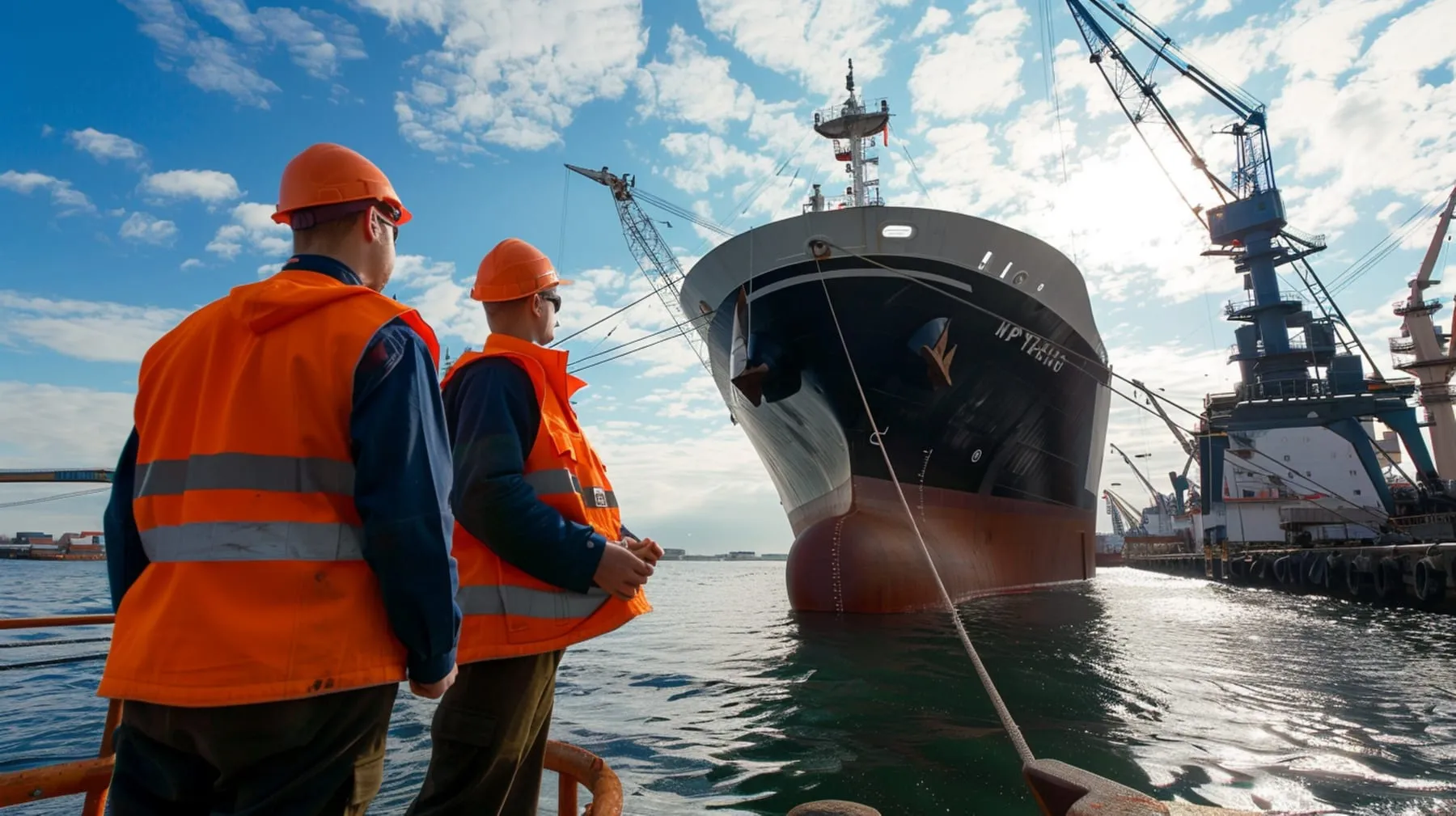
Mobile design for port-side and ship-side maritime users
Mobile design for port-side and ship-side maritime users
Maritime mobile users aren't a homogeneous group. Designing for the port-side and ship-side use cases changes layout, weight and interaction in important ways.
By Paul Clapp -

Web Design
When headless builds are worth it for maritime brands
When headless builds are worth it for maritime brands
Headless is the right answer for some maritime sites and the wrong answer for many. Here are the specific conditions where the developer overhead actually pays back.
By Paul Clapp -

Web Design
Writing maritime service pages that pass procurement scrutiny
Writing maritime service pages that pass procurement scrutiny
A service page that wins the technical sponsor still has to survive procurement. Here's what to put on the page so the deal doesn't stall at vendor review.
By Paul Clapp -

Web Design
Running UX research interviews with fleet directors
Running UX research interviews with fleet directors
Fleet directors are time-poor and sceptical of marketing fluff. Here's how to run UX research interviews that actually inform a maritime website redesign.
By Paul Clapp -

Web Design
Designing for the maritime buying committee (3-6 stakeholders)
Designing for the maritime buying committee (3-6 stakeholders)
A maritime purchase decision rarely has one buyer. Designing the website for the committee, not the champion, is what wins the vendor shortlist.
By Paul Clapp -

Web Design
Replatforming a port authority website without losing a year of SEO
Replatforming a port authority website without losing a year of SEO
Port authority sites carry years of indexed depth. A careless replatform can lose 30% of organic traffic overnight. Here's how to keep what you've earned.
By Paul Clapp -

Web Design
The case for hand-coded WordPress over page builders in maritime
The case for hand-coded WordPress over page builders in maritime
Page builders are quick to launch and slow to live with. Here's why hand-coded WordPress is the right default for serious maritime corporate sites.
By Paul Clapp -

Web Design
WCAG 2.2 AA accessibility on maritime corporate websites
WCAG 2.2 AA accessibility on maritime corporate websites
What WCAG 2.2 AA actually requires, why maritime sites tend to fail it badly and how to fix the most common issues without a full rebuild.
By Paul Clapp -

Web Design
Trust signals every maritime website should display above the fold
Trust signals every maritime website should display above the fold
Maritime buyers shortlist on credibility. The signals you put above the fold do most of the qualifying work before they ever read a word of body copy.
By Paul Clapp -

Web Design
Designing fleet pages that don't read like brochure inserts
Designing fleet pages that don't read like brochure inserts
Fleet pages on most ship operator sites are static brochure tables. Here's how to design them as the live commercial assets they should be.
By Paul Clapp -
Web Design
Information architecture for diversified maritime groups
Information architecture for diversified maritime groups
How to structure a website when one group runs ship management, port agency, bunker supply and offshore services without forcing buyers through a corporate maze.
By Paul Clapp -
Web Design
Building a CRM-integrated contact form for long maritime sales cycles
Building a CRM-integrated contact form for long maritime sales cycles
Maritime sales cycles run nine to eighteen months. Your contact form has to capture enough signal for the CRM to be useful that long after the click.
By Paul Clapp -
Web Design
Page speed for ship-side users on satellite connections
Page speed for ship-side users on satellite connections
Maritime websites are often tested on fibre and judged on Lighthouse. Real ship-side users on VSAT or LEO connections see something very different.
By Paul Clapp

Ready to put this web design thinking into practice?
Tell us about your business. We'll come back with an honest assessment of where you'd see the fastest wins.